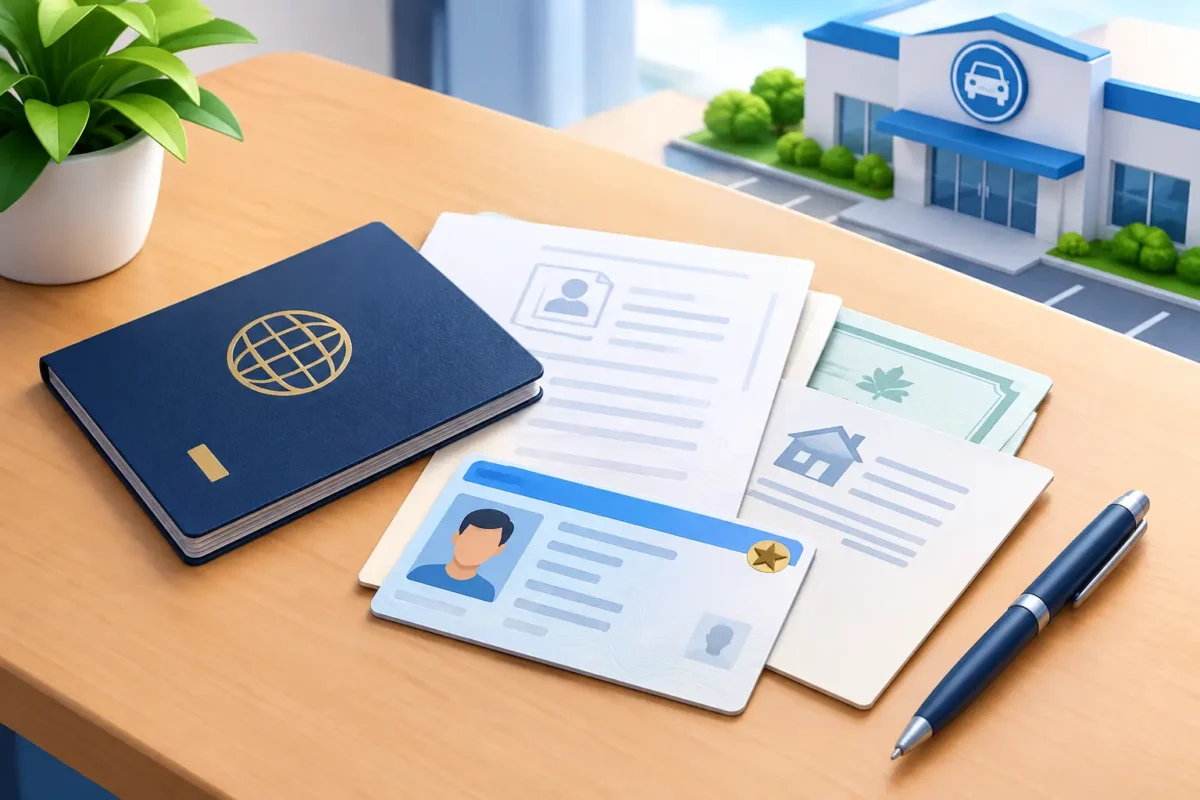
A state ID appointment can fall apart over something as ordinary as an envelope. You may have your identity documents ready, your application completed, and payment in hand, only to learn that your paperwork does not meet the local address rules. Getting the right proof of residency for state ID before you go can save a return trip, a missed workday, and a lot of frustration.
The basic idea is simple: the agency needs credible evidence that you live at the address printed on your card. The details are less simple because every state sets its own rules, document age limits, and exceptions. Start with your state motor vehicle agency’s current checklist, then gather more than the minimum whenever possible.
Why state agencies ask for residency proof
A state-issued identification card is used for much more than showing your date of birth. It can support voting registration, banking, health coverage, housing applications, benefits, and other services tied to a person’s home address. The issuing agency must be able to verify that you are a resident of that state and that the address on the card is current.
This requirement is separate from proving who you are. A birth certificate, passport, or immigration document may establish identity or lawful presence, depending on the state, but it does not automatically show where you live now. Think of the appointment as separate checks: identity, date of birth, Social Security eligibility when required, lawful status when required, and residency.
What counts as proof of residency for state ID?
The strongest documents are official, recent, and clearly connected to you and your current physical address. Most agencies want originals or documents that can be independently verified. A screenshot, altered file, or a document with a mismatched address can lead to a denial and may create larger problems. Use genuine records only.
Commonly accepted categories include utility bills, bank or credit union statements, lease agreements, mortgage statements, insurance policies, vehicle registration records, property tax statements, and official mail from a government agency. A pay stub, school record, or employer document may also qualify in some states, but not in others.
The name and address matter as much as the document type. A water bill in your roommate’s name may be real, but it usually does not establish that you live there. Likewise, a statement sent to an old apartment will not satisfy an agency reviewing your current application.
Recent utility and service bills
Electric, gas, water, sewer, cable, internet, landline, and trash bills are common choices because they typically show a customer name, service address, and issue date. Mobile phone bills are accepted in some states and rejected in others, especially if they list only a mailing address or do not identify the service location.
Check the date rule. Many offices require documents issued within 30, 60, or 90 days. A bill from last year can prove you once lived somewhere, but it rarely proves current residency.
Financial and government records
Bank statements, credit card statements, tax notices, benefit letters, and correspondence from city, county, state, or federal agencies can be useful. Printed statements are often acceptable when they show the institution’s name, your full name, your address, and a recent statement date. Some agencies accept electronic statements that you print yourself; others ask for a statement issued by the institution.
Government documents can be particularly helpful for people who do not have utilities in their name. Examples may include a public benefits notice, jury summons, tax assessment, or a letter from a housing authority. The exact document still needs to appear on the state’s approved list.
Housing documents
A signed lease is often accepted, particularly for new residents who have not received their first utility bill. A mortgage statement, deed, property tax bill, or homeowners insurance declaration may work for homeowners. If you recently moved, bring the signed lease plus another supporting record, such as renters insurance or a bank statement updated to the same address.
A lease is not always enough on its own. Some agencies require a lease to include all occupants, signatures, dates, and the full property address. Informal agreements can be harder to use unless the state specifically recognizes them.
How many documents should you bring?
Many states require two separate residency documents, while others may require one or allow specific exceptions. Even if your agency asks for only two, bring three or four qualifying items if you have them. That is not about overexplaining your situation. It is simple preparation in case one record is too old, missing a name, or falls into a category the clerk cannot accept.
Avoid bringing several versions of the same thing. Two monthly bills from the same utility provider may not count as independent proof. A better set could be a utility bill, a bank statement, and a lease or insurance policy. Make sure every document shows the same spelling of your name and the same residence address.
If bills are not in your name
This is common for young adults, people staying with family, people leaving temporary housing, and anyone who recently relocated. Do not invent paperwork or use someone else’s records as if they were your own. State agencies are trained to spot inconsistencies, and submitting false documents can result in denial, penalties, or criminal charges.
Instead, look for the state’s lawful alternatives. Some agencies allow a residency affidavit or certification from the person you live with. That person may need to appear with you, show their own residency documents, and sign a form under penalty of perjury. Requirements differ widely, so confirm whether an appointment is needed and whether the host must be a parent, guardian, homeowner, or leaseholder.
Students may be able to use a school transcript, enrollment record, dormitory agreement, or letter from a school official. People in shelters, transitional housing, or treatment programs may have options through a facility letter or agency certification. Survivors of domestic violence and people with protected addresses may have special procedures designed to keep their location private. Call the issuing office before your visit if privacy or safety is a concern.
Prepare your documents before the appointment
Read each page before you leave home. The document should show your full legal name, current residential address, issuing organization, and a date within the permitted timeframe. Bring the entire document when it is multiple pages, especially for leases and statements. A partial page may omit the information an examiner needs.
Also check for small discrepancies. An apartment number missing from one document, a nickname instead of your legal name, or a recent street renumbering can slow the process. If your records differ for a legitimate reason, bring supporting documentation and be ready to explain it plainly.
Do not assume a change-of-address confirmation will count. It may help support your story, but it is often not a substitute for an established account, official statement, or housing document. If you just moved, update your bank, insurance, employer, school, and relevant government records as soon as possible. Those updates create legitimate records you can use later.
Common reasons residency documents are rejected
Most rejections come down to timing, missing details, or using a document that proves mailing address rather than residence. A post office box is usually not enough because a state ID normally requires a physical location. Documents may also be rejected if they are expired, handwritten where an official record is required, damaged, incomplete, or addressed to another person.
An address does not need to be fancy or permanent to count, but it must be truthful and supported by acceptable evidence. If you are between homes or do not have conventional records, ask the agency about its residency exception process rather than guessing.
A little advance work makes the appointment far less stressful. Use current, authentic records, bring backups, and ask the agency directly about special circumstances before you stand in line. That approach protects your time and gives you the best chance of leaving with an ID that accurately reflects where you live.