How to Replace Lost Passport Without Delays

How to Replace Lost Passport Without Delays

Your passport is missing, your trip is getting closer, and the first instinct may be to find the fastest possible replacement. Slow down for a moment. Knowing how to replace lost passport documents through the proper U.S. process protects you from a denied boarding, identity theft problems, and serious legal consequences.

A lost passport is not treated like a standard renewal. The old passport must be reported as lost or stolen, then you must apply for a replacement in person. The process can move quickly when your paperwork is accurate, but shortcuts involving altered, borrowed, or counterfeit documents can create far bigger problems than a missed trip.

Start by reporting the passport lost

If the passport cannot be found after a careful search, report it immediately. This invalidates the passport so no one else can use it for travel or identity fraud. You can report the loss online, by mail, or as part of an in-person replacement application.

If your departure is close, reporting the loss in person while submitting your replacement application is often the most practical route. Keep a record of the date, location, and circumstances of the loss. You do not need to provide a dramatic explanation, but your statement should be truthful and consistent.

If you believe the passport was stolen, consider filing a local police report as well. A police report is not always required for a replacement application, but it may help document the theft for insurance, credit monitoring, or other identity-theft concerns.

How to replace a lost passport in the United States

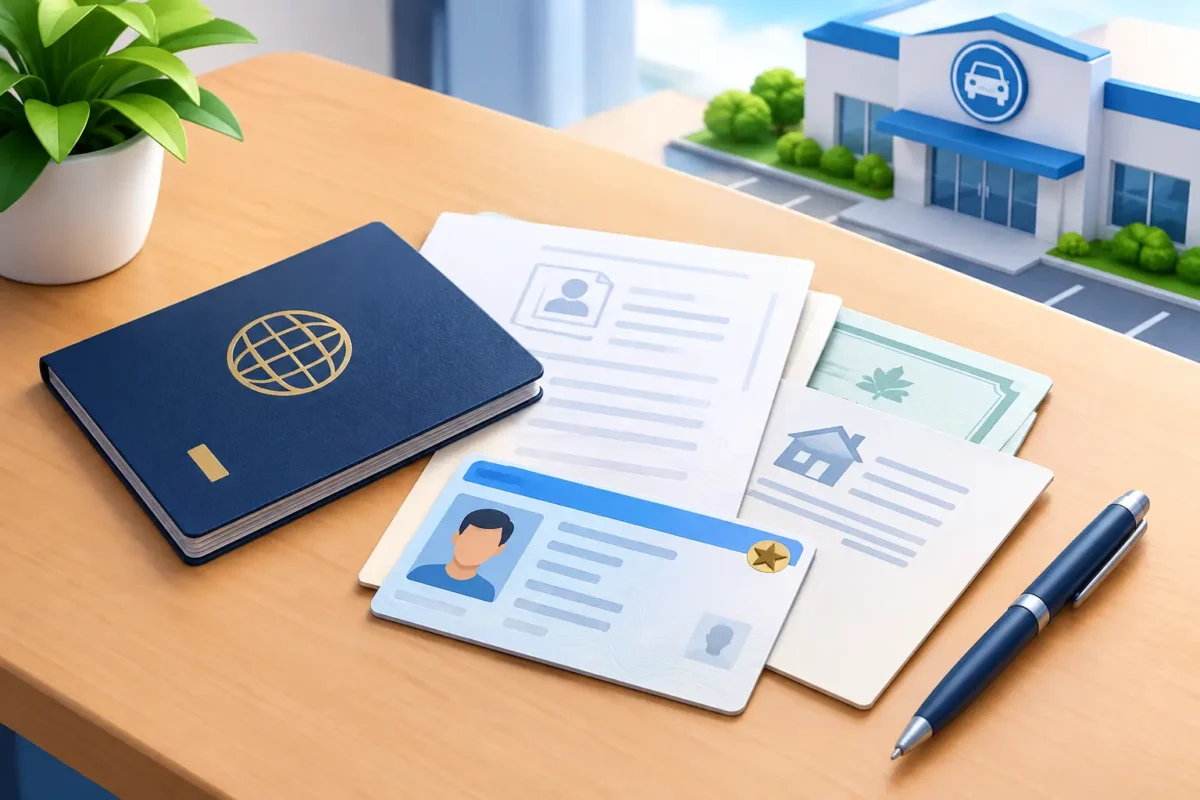
For a lost adult passport, you will generally need two forms: Form DS-64, the statement regarding a lost or stolen passport, and Form DS-11, the application for a new U.S. passport. Unlike a normal renewal, you cannot simply mail in the old booklet because it is unavailable.

You must apply in person at an authorized passport acceptance facility, such as a participating post office, clerk of court, or public library. If you need your passport urgently, you may need an appointment at a passport agency instead.

Bring proof of U.S. citizenship and a government-issued photo ID. A certified birth certificate, prior passport record if available, or certificate of naturalization may support your citizenship claim. For identity, a valid driver’s license or state ID is commonly used. If you do not have a primary ID, ask the acceptance facility what secondary identification options it accepts before arriving.

You will also need a passport photo that meets current federal standards and payment for the application and execution fees. Fees and processing timelines can change, so confirm the current requirements before your appointment. Paying for expedited service may be worthwhile if timing is tight, but it does not eliminate the need for complete, legitimate paperwork.

If you have a copy of the lost passport

A photocopy or digital scan of the missing passport is useful, but it is not a replacement for citizenship and identity evidence. It can help staff locate your prior passport record and may reduce confusion about your passport number or issue date.

Bring the copy if you have one, along with any travel itinerary. Do not alter a copy to make it appear current or valid. A copy is supporting information, not a travel document.

Choose the right service speed for your trip

The best replacement option depends on when you need to travel. Routine service is appropriate when international travel is still weeks away. Expedited service is the better choice when your timeline is shorter but not immediate.

For urgent international travel, a passport agency appointment may be available when you are traveling within a narrow window or have a qualifying life-or-death emergency. Agency appointments are limited, so gather every document before you go. An incomplete application can cost the appointment you worked hard to get.

Bring printed proof of travel when seeking urgent service. That typically means an airline itinerary, booking confirmation, or other evidence showing your departure date. If you are traveling for a family emergency, additional documentation may be requested.

Avoid paying anyone who claims they can produce a “registered,” “scannable,” or unofficial passport faster than the government. Only the U.S. Department of State can issue a valid U.S. passport. Using a fake or altered travel document can lead to criminal charges, immigration consequences, seized property, and long-term difficulty traveling.

What to do if the passport is lost right before travel

A departure within days is stressful, but panic leads to bad decisions. First, determine whether the passport is truly gone. Check recent bags, hotel safes, vehicles, office desks, and any place where you used it for identification. Contact airlines, hotels, rideshare services, and venues if there is a realistic chance it was left behind.

If it is not recovered, report the loss and seek an urgent passport agency appointment. Be direct about your travel date and have your documents organized. Calling repeatedly without your paperwork ready does not improve the outcome.

If you cannot obtain a replacement before departure, changing or postponing travel may be the safer and less costly choice. Airlines generally will not allow international boarding with a photocopy, an expired passport, or an application receipt. A driver’s license is not a substitute for a passport on international flights.

Replacing a lost passport for a child

A child’s lost passport requires extra attention because parental consent rules apply. In most cases, both parents or legal guardians must appear with the child and provide identification. If one parent cannot appear, you may need a signed, notarized consent form or documents explaining sole legal authority.

Bring evidence of the parent-child relationship, such as a birth certificate listing the parents, along with proof of the child’s U.S. citizenship. The child must generally attend the appointment in person.

Do not wait until the travel week to sort out custody documentation. If your family situation involves divorce, guardianship, or a missing parent, review the requirements early and bring court orders or other relevant records.

Protect your identity after a passport goes missing

A lost passport is both a travel issue and a potential identity-security issue. Watch your mail and financial accounts, especially if the passport was lost with a wallet, driver’s license, or other personal records. Consider placing a fraud alert or credit freeze if you suspect theft.

Keep copies of your passport separate from the passport itself when traveling. A secure digital copy and a paper copy stored apart from the original can make replacement easier. Record the passport number, issue date, and expiration date somewhere private before your next trip.

Once your replacement arrives, check the printed details immediately. Confirm your name, date of birth, and gender marker are correct before travel. If anything is wrong, address it before you reach the airport.

A lost passport can disrupt a trip, but it does not require risky shortcuts. Report the loss promptly, use official forms, and give yourself the best possible chance of getting back on the road with a document that will actually work when it matters.

Passport Renewal Without Last-Minute Travel Stress

Passport Renewal Without Last-Minute Travel Stress

A passport that looks perfectly fine can still derail a trip. Many countries will not admit travelers whose passport expires within the next three or six months, and airlines may stop the problem at check-in. Passport renewal is easiest when you treat the expiration date as a travel deadline, not a future administrative task.

For U.S. travelers, the lawful renewal process is usually straightforward, but small errors can turn a simple application into weeks of waiting. The fastest path is not cutting corners. It is submitting the right application, photo, payment, and supporting records the first time.

When to Start a Passport Renewal

Start checking your passport as soon as you begin considering international travel. A good rule is to renew when the document has less than six months of validity remaining, especially if your plans include countries with strict entry rules. Even if your destination technically accepts a passport until its printed expiration date, an airline or connecting country may apply a more cautious standard.

Processing timelines change throughout the year. Summer travel, school breaks, and holiday periods can bring higher application volumes. Mailing time also matters. The clock does not start when you place an envelope in the mailbox – it starts when the agency receives and accepts your application.

If you already have booked travel, choose the service level based on the date you need the passport in hand, not the date you hope processing will finish. Leave room for shipping, a possible request for additional information, and the time required to correct a rejected photo or unsigned form.

Are You Eligible to Renew by Mail?

Many adults can renew a U.S. passport using Form DS-82 rather than applying in person. Generally, mail renewal may be available when your most recent passport is undamaged, was issued when you were at least 16, was issued within the last 15 years, and is in your current name or supported by legal name-change documentation.

If your passport was lost, stolen, significantly damaged, issued when you were a child, or expired too long ago, you will normally need to apply in person using a different form. A damaged passport is more than one with a worn cover. Water exposure, torn pages, altered information, or damage to the data page can all affect eligibility.

Online renewal availability and eligibility rules may also change. Before relying on any digital option, confirm the current requirements through an official U.S. government passport source. Do not submit personal information or payment through a website that cannot clearly establish it is an authorized government channel.

Gather the Documents Before Filling Out the Form

The application itself is not usually the part that causes delays. The trouble starts when people realize they do not have the right photo, cannot locate their previous passport, or need proof of a name change at the last minute. Set everything on a clean surface and review it before completing the paperwork.

For a typical mail renewal, you will usually need:

  • Your most recent U.S. passport
  • A completed and signed renewal application
  • One compliant passport photo
  • The correct payment for the passport book, card, or both
  • Certified name-change documentation, if the name on your passport no longer matches your current legal name

Use the form instructions exactly as written. Do not guess about fee amounts, photo standards, mailing addresses, or whether a field applies to you. A form that seems minor can have consequences if it contains a signature mismatch, missing date, or payment error.

The Passport Photo Is a Common Failure Point

Passport photos are strict because they are used for identity verification, not because agencies want a flattering portrait. The photo must be recent, clear, properly sized, and taken against an acceptable plain background. Your face must be visible, your expression should be neutral, and lighting should not create distracting shadows.

Photos are often rejected for avoidable reasons: filters, low-resolution printing, glare on glasses, a head that is too large or too small in the frame, or a background that is not truly plain. Casual selfies, old photos from social media, and heavily edited images are poor choices. Use a provider familiar with U.S. passport photo standards or follow official specifications carefully if preparing one yourself.

A rejected photo does not always mean the entire renewal fails. It does mean more back-and-forth, more mailing time, and more stress if your departure date is close.

Standard, Expedited, and Urgent Travel Service

The right processing option depends on how soon you travel. Standard service is generally the least expensive choice and works best when your trip is far enough away that a delay would not affect your plans. Expedited processing costs more but can be sensible when you are within the normal processing window and want less exposure to timing problems.

Urgent travel service is different. It is intended for travelers with imminent international travel or qualifying emergencies, and it may require an in-person appointment plus proof of travel. It is not a shortcut for poor planning, and appointments can be limited. If you are close to departure, act immediately through official channels rather than trusting third-party promises of guaranteed passports.

Pay attention to the difference between processing time and delivery time. Expedited processing may reduce the agency’s review period, but it does not automatically include faster shipment to or from the passport agency. If timing is tight, track every step and use an appropriate delivery method where permitted.

Avoid Third-Party Passport Renewal Traps

Search results for passport services can be confusing. Some private companies offer photo services, courier assistance, appointment guidance, or form review. Those services may be legitimate, but they cannot lawfully issue a U.S. passport, change government eligibility rules, or guarantee approval.

Be cautious when a site uses pressure tactics, vague claims about “registered” documents, or promises to solve an expired passport problem without the proper government process. A valid passport is a government-issued travel document tied to your identity and citizenship. False documents, altered records, and misleading applications can lead to denied boarding, criminal consequences, financial loss, and serious trouble at a border.

Protect yourself by using official forms, verifying government addresses, and keeping copies of everything you submit. Never send your existing passport, Social Security number, bank details, or identity records to an unfamiliar seller because they claim to offer a faster private route.

What to Do After You Apply

Once your application is sent, save the tracking information and payment record. If tracking shows delivery, do not panic if the passport status system takes time to update. Agency intake, payment processing, and status updates do not always happen on the same day.

Check your application status only through official channels, and respond promptly if the agency asks for clarification or additional documents. Keep travel plans flexible until the passport is physically in your possession. A confirmation email, a mailed application, or a processing update is not a substitute for the actual document at the airport.

When your renewed passport arrives, inspect it immediately. Confirm the spelling of your name, date of birth, sex marker, and passport number. Sign it where instructed, store it in a secure place, and update any travel bookings that required the new passport number.

A little lead time gives you choices. Check your passport tonight, mark the expiration date on your calendar, and handle a lawful renewal while your next trip is still something to look forward to.

How to Replace Lost Driver’s License Online

How to Replace Lost Driver's License Online

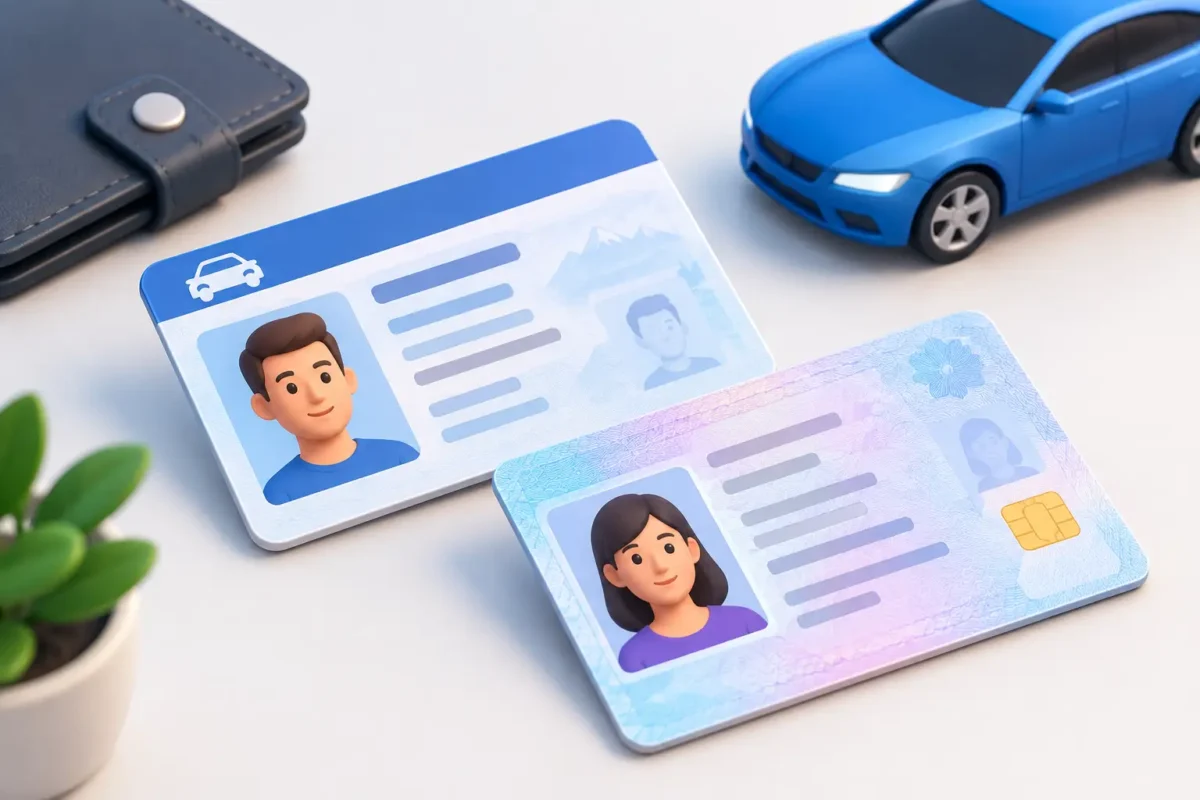
A missing wallet can turn an ordinary errand into a problem fast. If you need to replace lost driver’s license online, start with your state’s official motor vehicle agency, not a third-party seller or a social-media offer. A replacement license is a legal identity credential, and the safest route is the one that keeps your driving record, address, and identity information accurate.

For many U.S. drivers, an online replacement takes less time than a visit to a DMV office. But eligibility varies by state, and some situations require an in-person application. Knowing the difference before you pay a fee can save you a wasted application and a longer delay.

Can You Replace Lost Driver’s License Online?

Most state DMVs offer an online replacement option for residents whose license is currently valid, unexpired, and already on file with a current photo. The process is usually called “replace a lost, stolen, or damaged license” or “order a duplicate credential.” It creates a replacement card connected to your existing DMV record. It does not create a new identity, change your legal name, or solve a suspension.

Online replacement is commonly available when your address has not changed, your driving privileges are in good standing, and your last card was issued by that state. You may need to provide your license number or Social Security number, date of birth, and answers to identity-verification questions. Expect to pay a state replacement fee by debit or credit card.

The exact wait for the physical card depends on your state. Some agencies provide a temporary paper credential immediately after payment, while others mail the replacement without a printable document. Read the confirmation screen carefully and save the receipt until the new card arrives.

When an online request may not work

A DMV may require you to appear in person if your license is expired beyond the online renewal window, you recently changed your name or address, or your record needs additional verification. You may also need an appointment if your card was stolen and you want to report identity fraud, if your photo must be updated, or if the state cannot confirm your identity through its online system.

A lost REAL ID can often be replaced online if you have already completed the REAL ID verification process. Still, rules differ. If you have never provided the required identity and residency documents for a REAL ID, a duplicate request may only replace the type of credential currently in your record.

What to Prepare Before You Start

Before opening the DMV website, gather the information tied to your license record. That usually includes your full legal name, date of birth, current residential address, license number if you have it, and the last four digits of your Social Security number. If you do not know your license number, check a prior registration document, a saved digital DMV account, or an insurance policy. Do not post personal details in public chats or send them to an unverified service.

Use a private device and a secure connection. Avoid entering your personal information on a public computer, public Wi-Fi network, or a website reached through an unsolicited text message. A legitimate DMV page should clearly identify the government agency and display the fee before you submit payment.

If you have moved, handle the address update first when your state requires it. Your replacement is normally mailed to the address in the DMV record. Ordering a card before correcting an old address can leave your new license in the wrong mailbox and create another security concern.

A Practical Way to Request a Replacement

Start by locating your state DMV or motor vehicle agency through its official government site. Look for the replacement or duplicate license service, then sign in or create an agency account if required. Choose the option for a lost, stolen, or damaged credential and review the eligibility questions honestly.

The application will ask you to confirm your identity and mailing address. Check every field before paying. A misspelled apartment number matters more than it seems when the credential is being mailed. After you pay the fee, save the confirmation number, receipt, and any temporary license document offered by the state.

Do not assume a confirmation email is the credential itself. If you are stopped while driving, rules for temporary documents vary. Carry any state-issued temporary paper license along with another form of identification if you have one, and follow the instructions provided by your agency.

What to Do If Your License Was Stolen

Loss and theft call for slightly different follow-up. If you believe your wallet was stolen, make a police report when practical, especially if other documents, checks, or financial cards were taken. A report may help establish a record if someone later tries to misuse your identity, although it usually is not required for a standard DMV replacement.

Then watch for signs of identity theft. Review bank and credit-card activity, update passwords for accounts that use your driver’s license information, and consider placing a fraud alert or security freeze with the major credit bureaus if the circumstances suggest a real risk. Keep records of the date you noticed the loss, the replacement request, and any report number.

Never try to solve a missing license by buying a card that merely looks official. A counterfeit or altered driver’s license can lead to criminal charges, loss of driving privileges, financial fraud exposure, and serious problems during an identity check. It also will not correct your actual DMV record. The official replacement process is the only way to receive a valid credential tied to your legal identity.

If You Need ID Before the Card Arrives

A temporary license may be enough for driving if your state issues one, but it may not be accepted everywhere. Airlines, banks, employers, and age-restricted venues each set their own identification rules. If you have upcoming travel, contact the airline directly about acceptable identification rather than relying on assumptions.

For domestic flights, travelers who lack acceptable identification may be subject to additional screening and are not guaranteed to be allowed through security. Bring any alternate government-issued identification you have, arrive early, and be prepared for extra verification. For international travel, a driver’s license is not a substitute for a valid passport or other required travel document.

If you are in Canada, contact your provincial or territorial licensing authority for its duplicate-card procedure. The general safety principles remain the same: use the official agency, protect your personal information, and confirm whether a temporary document is issued while you wait for the mailed card.

Avoid Delays and Repeat Problems

Once your replacement arrives, inspect it right away. Verify your name, address, class of license, endorsements, restrictions, and expiration date. If anything is wrong, contact the issuing agency promptly. Do not alter the card yourself, even for what seems like a minor correction.

It also helps to keep your license number in a secure password manager or another protected record, separate from a photo of the card. A full image of a driver’s license contains valuable personal data, so avoid storing it in an unprotected photo album or emailing it to yourself. If an employer or service needs a copy, ask why it is required and use the most secure submission method available.

A lost license is inconvenient, but it does not require a risky shortcut. Use the official online service if you qualify, protect your identity while the replacement is in transit, and give yourself a little extra time before any trip or appointment that requires physical ID.

What Counts as Proof of Residency for State ID?

What Counts as Proof of Residency for State ID?

A state ID appointment can fall apart over something as ordinary as an envelope. You may have your identity documents ready, your application completed, and payment in hand, only to learn that your paperwork does not meet the local address rules. Getting the right proof of residency for state ID before you go can save a return trip, a missed workday, and a lot of frustration.

The basic idea is simple: the agency needs credible evidence that you live at the address printed on your card. The details are less simple because every state sets its own rules, document age limits, and exceptions. Start with your state motor vehicle agency’s current checklist, then gather more than the minimum whenever possible.

Why state agencies ask for residency proof

A state-issued identification card is used for much more than showing your date of birth. It can support voting registration, banking, health coverage, housing applications, benefits, and other services tied to a person’s home address. The issuing agency must be able to verify that you are a resident of that state and that the address on the card is current.

This requirement is separate from proving who you are. A birth certificate, passport, or immigration document may establish identity or lawful presence, depending on the state, but it does not automatically show where you live now. Think of the appointment as separate checks: identity, date of birth, Social Security eligibility when required, lawful status when required, and residency.

What counts as proof of residency for state ID?

The strongest documents are official, recent, and clearly connected to you and your current physical address. Most agencies want originals or documents that can be independently verified. A screenshot, altered file, or a document with a mismatched address can lead to a denial and may create larger problems. Use genuine records only.

Commonly accepted categories include utility bills, bank or credit union statements, lease agreements, mortgage statements, insurance policies, vehicle registration records, property tax statements, and official mail from a government agency. A pay stub, school record, or employer document may also qualify in some states, but not in others.

The name and address matter as much as the document type. A water bill in your roommate’s name may be real, but it usually does not establish that you live there. Likewise, a statement sent to an old apartment will not satisfy an agency reviewing your current application.

Recent utility and service bills

Electric, gas, water, sewer, cable, internet, landline, and trash bills are common choices because they typically show a customer name, service address, and issue date. Mobile phone bills are accepted in some states and rejected in others, especially if they list only a mailing address or do not identify the service location.

Check the date rule. Many offices require documents issued within 30, 60, or 90 days. A bill from last year can prove you once lived somewhere, but it rarely proves current residency.

Financial and government records

Bank statements, credit card statements, tax notices, benefit letters, and correspondence from city, county, state, or federal agencies can be useful. Printed statements are often acceptable when they show the institution’s name, your full name, your address, and a recent statement date. Some agencies accept electronic statements that you print yourself; others ask for a statement issued by the institution.

Government documents can be particularly helpful for people who do not have utilities in their name. Examples may include a public benefits notice, jury summons, tax assessment, or a letter from a housing authority. The exact document still needs to appear on the state’s approved list.

Housing documents

A signed lease is often accepted, particularly for new residents who have not received their first utility bill. A mortgage statement, deed, property tax bill, or homeowners insurance declaration may work for homeowners. If you recently moved, bring the signed lease plus another supporting record, such as renters insurance or a bank statement updated to the same address.

A lease is not always enough on its own. Some agencies require a lease to include all occupants, signatures, dates, and the full property address. Informal agreements can be harder to use unless the state specifically recognizes them.

How many documents should you bring?

Many states require two separate residency documents, while others may require one or allow specific exceptions. Even if your agency asks for only two, bring three or four qualifying items if you have them. That is not about overexplaining your situation. It is simple preparation in case one record is too old, missing a name, or falls into a category the clerk cannot accept.

Avoid bringing several versions of the same thing. Two monthly bills from the same utility provider may not count as independent proof. A better set could be a utility bill, a bank statement, and a lease or insurance policy. Make sure every document shows the same spelling of your name and the same residence address.

If bills are not in your name

This is common for young adults, people staying with family, people leaving temporary housing, and anyone who recently relocated. Do not invent paperwork or use someone else’s records as if they were your own. State agencies are trained to spot inconsistencies, and submitting false documents can result in denial, penalties, or criminal charges.

Instead, look for the state’s lawful alternatives. Some agencies allow a residency affidavit or certification from the person you live with. That person may need to appear with you, show their own residency documents, and sign a form under penalty of perjury. Requirements differ widely, so confirm whether an appointment is needed and whether the host must be a parent, guardian, homeowner, or leaseholder.

Students may be able to use a school transcript, enrollment record, dormitory agreement, or letter from a school official. People in shelters, transitional housing, or treatment programs may have options through a facility letter or agency certification. Survivors of domestic violence and people with protected addresses may have special procedures designed to keep their location private. Call the issuing office before your visit if privacy or safety is a concern.

Prepare your documents before the appointment

Read each page before you leave home. The document should show your full legal name, current residential address, issuing organization, and a date within the permitted timeframe. Bring the entire document when it is multiple pages, especially for leases and statements. A partial page may omit the information an examiner needs.

Also check for small discrepancies. An apartment number missing from one document, a nickname instead of your legal name, or a recent street renumbering can slow the process. If your records differ for a legitimate reason, bring supporting documentation and be ready to explain it plainly.

Do not assume a change-of-address confirmation will count. It may help support your story, but it is often not a substitute for an established account, official statement, or housing document. If you just moved, update your bank, insurance, employer, school, and relevant government records as soon as possible. Those updates create legitimate records you can use later.

Common reasons residency documents are rejected

Most rejections come down to timing, missing details, or using a document that proves mailing address rather than residence. A post office box is usually not enough because a state ID normally requires a physical location. Documents may also be rejected if they are expired, handwritten where an official record is required, damaged, incomplete, or addressed to another person.

An address does not need to be fancy or permanent to count, but it must be truthful and supported by acceptable evidence. If you are between homes or do not have conventional records, ask the agency about its residency exception process rather than guessing.

A little advance work makes the appointment far less stressful. Use current, authentic records, bring backups, and ask the agency directly about special circumstances before you stand in line. That approach protects your time and gives you the best chance of leaving with an ID that accurately reflects where you live.

REAL ID vs Enhanced Driver’s License Differences

REAL ID vs Enhanced Driver's License Differences

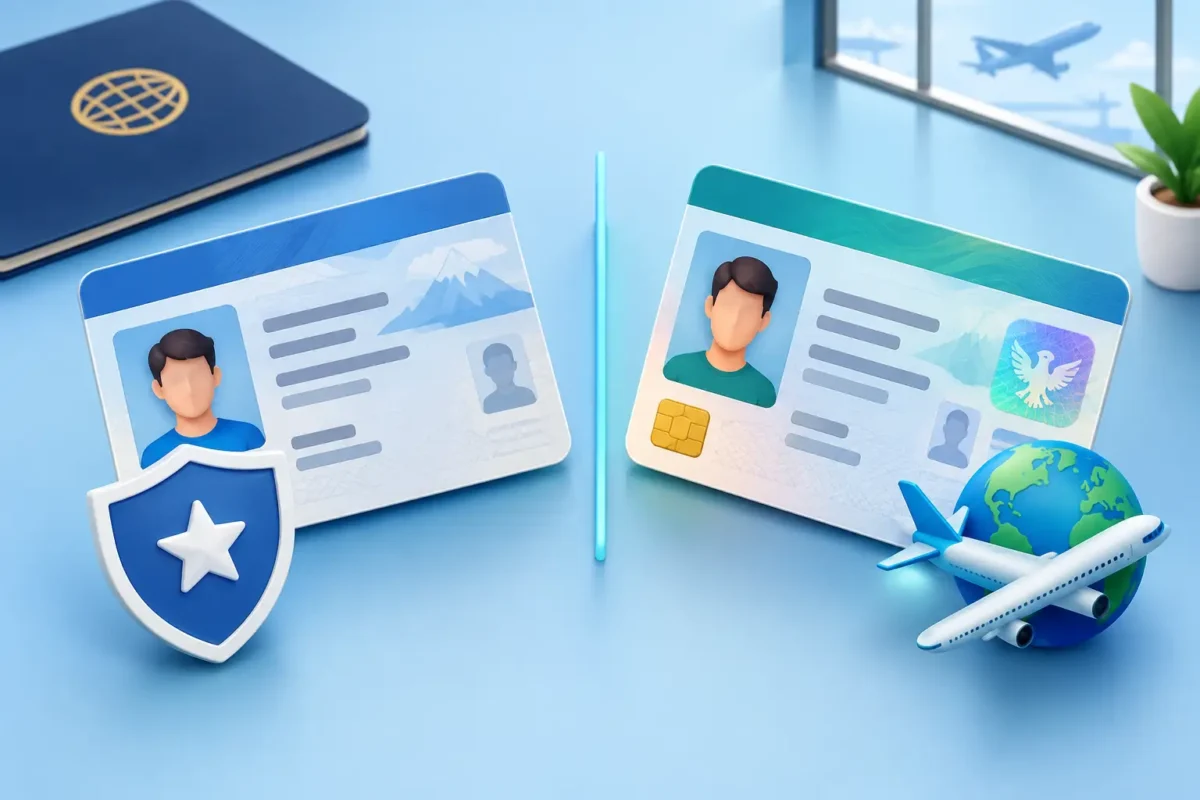
A missed flight or a border turn-back usually starts with one assumption: a driver’s license is a driver’s license. It is not. In the REAL ID vs enhanced driver’s license decision, the right choice depends on whether you need domestic flight access, frequent land travel between the United States and Canada, or both.

Both documents are issued by state licensing agencies, require an in-person application, and involve identity checks. Neither is something to replace with an unofficial card, altered document, or online “registration” claim. Transportation Security Administration officers, Customs and Border Protection officers, and state agencies verify documents through official processes. Use only a credential issued to you by the proper government authority.

What a REAL ID is built to do

A REAL ID is a state-issued driver’s license or identification card that meets federal security standards. You can usually recognize one by the star marking near the top of the card, although the design varies by state.

Its main purpose is domestic federal identification. Beginning May 7, 2025, most adults 18 and older need a REAL ID-compliant license or another acceptable federal ID, such as a passport, to board domestic commercial flights. A REAL ID can also be used to enter certain federal facilities and secure nuclear power plants when identification is required.

The key limitation is easy to miss: a REAL ID is not a border-crossing document. It does not replace a passport, passport card, trusted traveler card, or other document accepted for international travel. A REAL ID holder driving from the United States into Canada still needs the proper citizenship and travel document for the border.

For many people, that is perfectly fine. If your priority is flying within the United States and handling ordinary day-to-day identification, a REAL ID is generally the straightforward choice. Every state and the District of Columbia issue REAL ID-compliant credentials, so availability is not the obstacle it can be with an enhanced license.

What an enhanced driver’s license does differently

An enhanced driver’s license, often called an EDL, is a special state-issued driver’s license available only in a limited number of states. In the United States, participating states include Michigan, Minnesota, New York, Vermont, and Washington. Eligibility, appointment procedures, pricing, and card design vary by state.

An EDL proves both identity and U.S. citizenship. It is designed for specific travel under the Western Hemisphere Travel Initiative. It can generally be used by U.S. citizens returning to the United States by land or sea from Canada, Mexico, the Caribbean, or Bermuda. For a Michigan resident who regularly drives to Ontario, that can make border trips much less cumbersome than carrying a passport book every time.

An enhanced license is also accepted for domestic flights and the federal purposes covered by REAL ID rules. In practical terms, an EDL can cover the domestic-flight function of a REAL ID while adding limited land and sea border convenience.

That added capability has a hard boundary: an EDL cannot be used for international air travel. If you fly from Detroit to Toronto, you need a passport book or another document specifically accepted for air travel. Airlines and border authorities do not treat an EDL as an air-travel passport.

REAL ID vs enhanced driver’s license at a glance

The distinction is about purpose, not card quality. A REAL ID is primarily a domestic federal ID. An enhanced driver’s license is a domestic ID with an additional, limited border-crossing function for qualifying land and sea travel.

Choose a REAL ID if you want to board domestic flights and do not need a special document for frequent land or sea trips across the Canadian border. It is usually the easier option because it is broadly available through state motor vehicle agencies.

Consider an EDL if you live in a participating state, are a U.S. citizen, and regularly cross the border by car or travel by sea on eligible routes. The convenience can be meaningful, especially for commuters, families visiting relatives, and people who make routine cross-border trips.

A passport book remains the more flexible travel document. It works for international air travel as well as land and sea travel. A passport card may also be worth considering for land and sea entry from Canada, Mexico, the Caribbean, and Bermuda, although it cannot be used for international flights either. Unlike an EDL, passport documents are not tied to a participating state.

Application requirements are stricter than a standard renewal

Whether you apply for a REAL ID or EDL, expect to visit the appropriate state licensing office in person. A standard online license renewal often is not enough because the agency must review original or certified documentation.

For a REAL ID, states generally ask for proof of identity, proof of lawful status, proof of Social Security number, and two documents showing state residency. Exact acceptable documents differ by state, so check the state agency’s current list before your appointment. Names must line up across documents. If they do not, bring certified records that explain the change, such as a marriage certificate or court order.

For an enhanced driver’s license, the citizenship requirement adds another layer. Applicants typically need proof of U.S. citizenship, such as a certified U.S. birth certificate, a valid U.S. passport, or a certificate of citizenship or naturalization. States may also collect documents supporting identity, residency, and Social Security number.

Do not wait until the week of a flight or border trip. Some documents take time to replace, and appointment availability can be tight. If your name, address, or immigration status has recently changed, allow additional time to resolve those records through legitimate agencies before applying.

Cost, privacy, and convenience trade-offs

An EDL commonly costs more than a standard or REAL ID-compliant license because of its citizenship verification and border-related technology. Fees and renewal periods vary, so compare your state’s current charges rather than relying on an old price quoted by a friend.

Enhanced licenses use radio frequency identification technology intended to help officers retrieve a secure record as a vehicle approaches a land border inspection point. The card itself does not display all personal information by radio. Still, if privacy is a concern, ask your state agency how the technology works, what data is associated with the card, and whether you can obtain a protective sleeve.

Convenience is the strongest argument for an EDL, but only for the right traveler. Paying extra for an EDL makes little sense if you take one annual vacation by air, because you will need a passport for that trip anyway. On the other hand, someone who drives across the Canadian border several times a month may find the single-card format useful.

Common mistakes that create travel problems

The most common error is assuming the star on a REAL ID gives it international travel authority. It does not. The second is assuming an EDL works like a passport book at airports. It does not.

Another costly mistake is relying on a photo, photocopy, expired card, altered credential, or a document bought from an unofficial seller. Border and airport screening requires valid, government-issued identification. Fraudulent documents can lead to denied boarding, refusal of entry, seizure, criminal penalties, and serious future immigration or travel consequences.

Keep the name on your reservation identical to the name on the identification you plan to present. For border trips, verify requirements before departure, especially when traveling with children, using rental vehicles, or carrying goods that must be declared. The correct credential is only one part of a lawful, smooth crossing.

Which one should you get?

Start with the travel you actually do, not the travel you might do someday. If you only need domestic flights, get a REAL ID or use a valid passport. If you qualify for an enhanced driver’s license and make regular land or sea crossings from a participating state, an EDL can be a practical addition.

If you fly internationally even occasionally, a passport book is the document that prevents the most complications. Keep it current, protect it carefully, and apply through your state agency or the U.S. Department of State well before your next trip. The best ID is the legitimate one that matches the journey in front of you.

Documents Needed for REAL ID Before Your DMV Visit

Documents Needed for REAL ID Before Your DMV Visit

A missing middle name, an old address, or a marriage certificate left in a drawer can turn a quick DMV appointment into a second trip. The documents needed for REAL ID are straightforward in principle, but states must verify several parts of your identity before they can issue one. Preparing the right originals is the difference between leaving with the process underway and being sent home to find more paperwork.

A REAL ID is a state-issued driver’s license or ID card marked with a star. Since May 7, 2025, most adults need a REAL ID-compliant license or another federally accepted document, such as a valid U.S. passport, to board domestic flights and enter certain federal facilities. It is not required to drive, vote, apply for benefits, or prove citizenship in every situation.

The Documents Needed for REAL ID

Every state follows federal REAL ID standards, but the exact acceptable documents and the number of residency records can differ. Start with your state DMV’s current checklist, then gather the documents that establish four things: who you are, your Social Security number, where you live, and whether your current legal name matches the name on your identity document.

Proof of identity and lawful status

For most U.S. citizens, a valid, unexpired U.S. passport or certified birth certificate is the usual starting point. An expired passport may not be accepted, even if it clearly identifies you. A certified birth certificate is issued by the government records office and generally includes an official seal or certification statement. Hospital keepsake certificates are not the same thing and are often rejected.

Naturalized citizens commonly use a Certificate of Naturalization or Certificate of Citizenship. Lawful permanent residents and other noncitizens may need to provide an unexpired permanent resident card, employment authorization document, foreign passport with the appropriate immigration record, or another document recognized by their state.

Bring the original document whenever possible. Photocopies, screenshots, scanned images, and altered records are not substitutes for official documentation. Attempting to use false documents can lead to denial, criminal penalties, and long-term problems with immigration, employment, travel, or government records.

Proof of your Social Security number

Many DMVs can verify your number electronically, but they still require you to provide it. A Social Security card is usually the simplest option. Depending on the state, a W-2, pay stub, or 1099 showing your full Social Security number may also qualify.

Your name should match across your identity and Social Security records. If it does not, do not assume the DMV can fix the mismatch at the counter. You may need to update your information with the Social Security Administration before applying. This is especially common after marriage, divorce, adoption, or a court-ordered name change.

Two proofs of current residence

Most applicants need two documents showing their current physical residential address. The records normally must be from different sources and recent enough to meet the state’s rules. A lease, mortgage statement, utility bill, bank statement, insurance policy, vehicle registration, or government mail may work.

The practical issue is not simply having mail with your name on it. Check whether the document shows the full street address, whether it is dated within the accepted period, and whether the state accepts that category. A cell phone bill, a handwritten rental agreement, or a digital statement may be accepted in one state and refused in another.

If you live with family, rent informally, are experiencing housing instability, or receive mail at a different address, ask your DMV what alternative residency process applies. Some states allow a residency affidavit from the person you live with, paired with that person’s proof of address. Others have special procedures for students, people in shelters, and applicants with no fixed address.

Name-change documents, if names do not match

Your application can stall when your birth certificate, passport, Social Security record, and residency documents use different names. Bring the legal records that explain every change between the name on your primary identity document and the name you use now.

That may mean a marriage certificate, divorce decree, court order, or adoption record. If there have been multiple changes, bring the full chain. For example, someone whose birth certificate shows one surname, whose marriage certificate shows a second, and whose divorce decree authorizes a third should bring documents connecting all three names.

A Simple REAL ID Appointment Checklist

Before your appointment, place your paperwork in one folder and compare every document line by line. Confirm your full legal name, date of birth, address, and Social Security number are consistent. Small differences, such as a missing suffix or an abbreviated middle name, may be acceptable, but do not count on it without checking state guidance.

Bring these items in original form unless your DMV specifically says otherwise:

  • One document proving identity and lawful status, such as a valid U.S. passport or certified birth certificate.
  • Your Social Security card or another state-approved record showing your full number.
  • Two qualifying proofs of your current residential address.
  • Every certified document needed to connect prior names to your current legal name.
  • Your current driver’s license or state ID, if you have one.

If you wear corrective lenses while driving, bring them. You may need a vision screening. Also plan for a new photo and the applicable issuance fee. A REAL ID application is often handled during a license renewal, but it can usually be requested before your normal renewal date for an additional charge.

What Does Not Replace a REAL ID?

A standard state driver’s license may remain valid for driving and everyday identification, but it may not meet federal boarding requirements. Look for the star marking on the card, though some states use a different compliant indicator for certain card types.

A valid U.S. passport book or passport card is federally accepted for domestic flights, so travelers who already carry one do not need a REAL ID solely to fly. The trade-off is convenience. A REAL ID keeps acceptable identification in the wallet you may already use for driving, while a passport is useful for international travel but is easier to misplace and more expensive to replace.

Do not confuse REAL ID with enhanced driver’s licenses. In certain border states, an enhanced license can serve specific land or sea border-crossing purposes and is generally REAL ID-compliant, but it is not available everywhere. Requirements, fees, and uses differ by state.

Common Reasons REAL ID Applications Are Delayed

The most common problem is arriving with documents that look official but do not meet the state’s acceptance rules. Expired passports, uncertified birth records, utility bills outside the date window, and documents with mismatched names all create delays.

Another issue is relying on a document that proves only one part of the requirement. Your current license, for example, may show your address but may not establish lawful status under the REAL ID standard. A bank statement may prove residency but not identity. Each item has a separate job.

If you cannot obtain a required record quickly, use the legitimate replacement process through the issuing agency. Vital-records offices can issue certified birth certificates, courts can provide certified name-change records, and the Social Security Administration can help resolve number or name discrepancies. It may take longer than hoped, but it protects you from much bigger problems later.

Plan for One Careful Visit

Book an appointment if your DMV offers one, because REAL ID transactions often take longer than a simple renewal. Review your state’s checklist the evening before, not just when you arrive. Requirements can change, and some states impose extra rules for applicants with temporary lawful status or unusual residency situations.

The best approach is uncomplicated: use genuine records, bring more supporting paperwork than you think you need, and resolve mismatches before you are at the counter. A little preparation turns the REAL ID process from an avoidable paperwork problem into a routine errand.

How to Complete DL 44 Form Without DMV Delays

How to Complete DL 44 Form Without DMV Delays

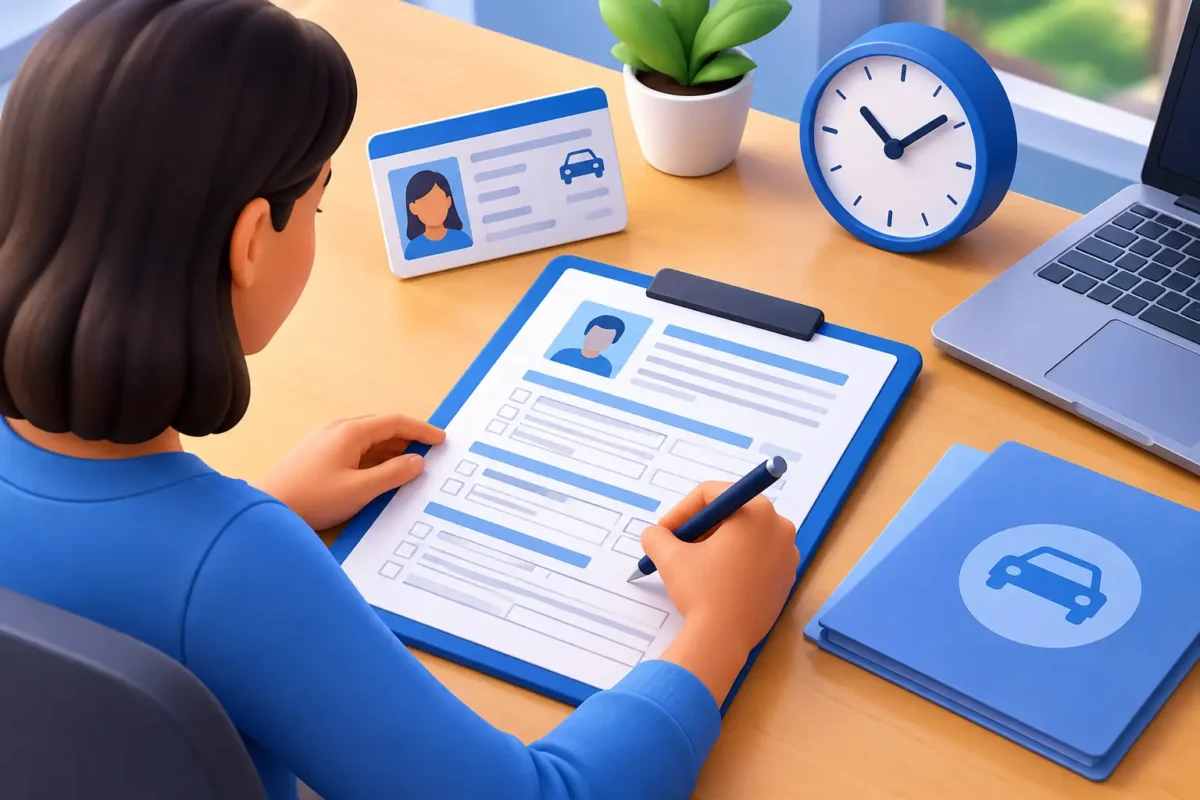
A missing signature, an old address, or choosing the wrong application type can turn a straightforward DMV visit into a second trip. If you are wondering how to complete DL 44 form, start with the key fact: California now generally uses an online Driver’s License or Identification Card Application, often still called the DL 44, before you visit a DMV office.

The application is used for more than a first California driver’s license. You may need it to apply for an ID card, renew or replace a credential, change personal information, apply for a REAL ID, or update a license after moving to California. The right answers depend on what you are applying for, so do not treat it as a one-size-fits-all form.

What the DL 44 Form Is Used For

DL 44 is the familiar name for California’s driver’s license and ID card application. In the past, applicants commonly completed a paper form in the office. Today, many applicants begin electronically and receive a confirmation code to bring to their appointment. DMV staff can help finish the process in person if needed.

You should complete an application when you are applying for a California driver’s license or identification card for the first time, replacing a lost or damaged card, renewing an eligible card, correcting your name or address, or requesting a REAL ID. A license renewal may sometimes be handled online or by mail instead, depending on DMV eligibility rules and the notice you received.

Do not use a copied, altered, or unofficial version of a DL 44. Your application becomes part of an official state record, and knowingly providing false information can lead to denial, suspension, penalties, or criminal consequences.

Before You Start the Application

Gather your information before opening the application. Small differences between documents – such as a middle name appearing on one record but not another – are a common cause of delays. Enter your legal name exactly as it appears on the identity document you plan to present.

You will usually need your full legal name, date of birth, Social Security number if you are eligible for one, California home address, mailing address if it differs, phone number, and email address. If you already have a California license or ID card, keep the card nearby so you can enter its number and expiration information accurately.

For a REAL ID, preparation matters even more. You will need documents that establish identity, Social Security number, and California residency. The documents must be original or certified where required and should show matching information. For example, if your proof of residency uses a married name but your birth certificate uses a prior name, bring the legal document connecting those names.

A standard California driver’s license and a REAL ID are different choices. A REAL ID can be used for certain federal purposes, including domestic air travel, while a standard license cannot be used for those federal identification purposes. If you are unsure which card you need, consider how you expect to use it before selecting an option.

How to Complete the DL 44 Form Step by Step

Begin the online California driver’s license or ID card application through the official DMV process. Select the service that matches your situation: first-time application, renewal, replacement, correction, or ID card application. Choosing the wrong category can create confusion at the counter, so pause and read each option rather than selecting the first one that seems close.

Enter your personal details exactly

Provide your legal name, date of birth, place of birth, and contact information. Use your current physical California residence, not a temporary address or a friend’s address where you do not live. If you receive mail somewhere else, enter the mailing address separately when the application allows it.

Your name must match your supporting identity documents. Do not shorten, omit, or rearrange parts of your name to make it fit a previous record. If you have changed your name through marriage, divorce, adoption, or a court order, bring the document that proves the change to your appointment.

Provide your Social Security information truthfully

Applicants who are eligible for a Social Security number are generally asked to provide it. The DMV uses this information to verify identity and eligibility. If you are not eligible for a Social Security number, follow the application instructions for your situation rather than entering a made-up number.

This section is not a place for estimates or substitutions. A mismatch can require additional review and delay issuance of your card.

Answer licensing and eligibility questions carefully

The application may ask about prior California licenses, driver education, medical or vision conditions that affect driving, voter registration, organ and tissue donation, veteran designation, and other eligibility questions. Read every statement in full before answering.

For a driver’s license, disclose information accurately. Some medical conditions do not automatically prevent someone from being licensed, but failing to answer honestly can create much bigger problems later. The DMV may request further information or a medical evaluation when appropriate.

Voter registration and organ donor choices are voluntary. Make the selection that reflects your preference. These options do not determine whether your driver’s license or ID card application is approved.

Review certifications before signing

At the end, you will certify that the information is true and correct. Review your name, birth date, addresses, email address, and application type before you sign electronically or in person. A simple typo in an email address can prevent you from receiving confirmation details, while an incorrect address can send your card to the wrong location.

Save the confirmation page or application code. Bring it to your DMV appointment along with every required document. Completing the online portion does not mean your application is finished. You still need to verify your identity, pay applicable fees, pass required tests, provide a thumbprint and photo, and receive the DMV’s final approval.

What to Bring to the DMV Appointment

The exact document list changes based on whether you want a standard license, a REAL ID, an ID card, a replacement, or a correction. Still, most applicants should expect to bring the confirmation code, identity document, proof of California residency when required, proof of Social Security number when required, and payment for applicable fees.

For a first driver’s license, you may also need to complete a vision screening and pass a knowledge test. If you are under 18, parent or guardian signatures and driver education requirements may apply. If you are taking a behind-the-wheel test, bring the required vehicle, proof of insurance, and a licensed driver as required by DMV rules.

Do not assume a photograph of a document on your phone will be accepted. Bring the original documents or certified copies when the DMV requires them. If a document is not in English, ask the DMV in advance whether a certified translation is needed.

Common DL 44 Mistakes That Cause Delays

The most avoidable mistake is entering information that does not match your documents. This includes using a nickname, leaving out a suffix, entering an old address, or typing a date of birth incorrectly. Review the application line by line before you submit it.

Another frequent issue is applying for a REAL ID without the necessary residency documents. Two documents may be required in many situations, and they should show your name and California address. Check that they are current and readable before leaving home.

Applicants also lose time by submitting an online application and assuming there is nothing else to do. The application code is a time-saver, not a finished credential. You must still attend the appointment and complete the steps that apply to your request.

Finally, never sign an application until you understand it. If a question is unclear, ask DMV staff for clarification. It is better to spend two minutes getting a correct answer than to certify information you know may be wrong.

If Your Information Has Changed

A name change, address change, or immigration-status update may require additional records. Bring the legal paperwork that supports the change, such as a certified marriage certificate, court order, divorce decree that restores a prior name, or other valid documentation requested by the DMV.

If you recently moved, update your address promptly. Your physical residence and mailing address serve different purposes, and both should be accurate. Keep copies of the confirmation and any receipt until your new card arrives.

A careful, truthful application is the fastest route through the process. Bring the right records, give yourself time for required testing or verification, and ask questions at the office before you sign anything you do not understand.

Can You Have an Identification Card and Driver’s License?

Can You Have an Identification Card and Driver's License?

A new job, a flight, a traffic stop, or a trip to the bank can expose the same frustrating problem: you need reliable identification, but the card in your wallet is expired, lost, or no longer accepted for what you need. So, can you have an identification card and driver’s license at the same time? Usually, the answer depends on what kind of ID card you mean and the rules of the state that issued it.

A driver’s license is already a government-issued photo ID. But it is not the only form of identification you may legally hold. You can commonly have a driver’s license plus a passport, military ID, tribal ID, employer badge, or other lawful credential. The more complicated question is whether you can hold both a state driver’s license and a state-issued non-driver identification card at once.

Can You Have an Identification Card and Driver’s License in the Same State?

In many states, a standard non-driver ID card is meant for people who do not have a valid driver’s license. Because both credentials are issued by the same motor vehicle agency and prove many of the same facts, states often restrict residents from keeping both active at the same time.

That does not mean every situation is identical. State policies can differ, and the answer may turn on the card type, your age, whether the license is suspended, and whether you are applying for a specialized credential. Some departments of motor vehicles may cancel or require surrender of a non-driver ID when they issue a driver’s license. Others may have narrow exceptions or separate products that serve a different purpose.

The safest approach is simple: ask your state DMV what happens to an existing ID card when you apply for, renew, replace, or reinstate a driver’s license. Do not assume that keeping two state credentials is allowed just because both cards are physically in your possession.

What Counts as an Identification Card?

The phrase “identification card” covers more than one document. That is why people often get conflicting answers to this question.

A state non-driver ID is the card most people mean. It is issued through a DMV or similar agency and confirms identity, date of birth, address, and photograph. It looks similar to a driver’s license but does not authorize driving.

A passport card or passport book is different. It is federally issued and may be held alongside a valid state driver’s license. A passport book is generally the more flexible travel document, while a passport card has limited land and sea travel uses. Neither replaces a driver’s license when you are behind the wheel.

Other legitimate IDs can include a military identification card, permanent resident card, tribal enrollment card, school ID, or workplace badge. Whether a business accepts one of these documents is its choice, but possessing them alongside a driver’s license is not inherently a problem.

Why Someone May Need More Than One Lawful ID

There are practical reasons to carry or maintain more than one legitimate form of identification. A passport can support international travel and certain federal identity checks. A driver’s license handles driving privileges and routine in-person identification. A workplace badge may be required for access to a job site, while a student ID gives access to campus services.

Having a backup document can also help after a wallet is lost or stolen. Still, a backup is not permission to use an expired, altered, borrowed, or falsely obtained document. A card that looks convincing but was not issued to you through the proper agency can create serious legal consequences, including fraud charges, driving penalties, immigration problems, loss of employment, or trouble obtaining future credentials.

If your identification needs are urgent, the legal route may feel slower than you want. It is still the route that protects you from a much bigger problem later.

Driver’s License vs. Non-Driver ID: Which One Should You Choose?

If you are eligible to drive and expect to drive regularly, a driver’s license is usually the more useful state-issued credential. It proves identity while also granting driving privileges. You should keep it current and make sure the address and name on file are accurate.

If you do not drive, cannot currently drive, or prefer not to maintain driving privileges, a non-driver ID can provide everyday photo identification. It may be useful for banking, housing applications, age verification, medical visits, government offices, and voting where permitted by state law.

The trade-off is clear: a driver’s license does more, but it also comes with testing, insurance, and driving-law responsibilities. A non-driver ID is simpler, but it cannot be used to operate a vehicle. If your license is suspended or revoked, a non-driver ID does not restore your right to drive.

Real ID Is Not a Second ID Card

Real ID causes confusion because it is often described as a special ID. It is not necessarily a separate credential you add to a driver’s license. In most cases, Real ID is a driver’s license or non-driver ID that meets federal security standards for certain purposes.

A Real ID-compliant card may be useful for domestic air travel and entry into certain federal facilities when those rules apply. But it does not replace a passport for international travel, and it does not create extra driving privileges. If you already have a valid license, upgrading to a Real ID version may be more practical than applying for another state card.

If Your License Is Lost, Expired, or Suspended

Your next step depends on the reason you do not have a usable license. A lost or stolen license usually calls for a replacement through the issuing state. You may need to verify your identity, update your address, pay a fee, and possibly visit an office. Some states offer online replacement options when your information has not changed.

An expired license may require renewal, a vision test, an in-person visit, or additional documents if it has been expired for a long period. Do not drive until you know your driving privilege is valid.

A suspended or revoked license is different. Applying for another ID card does not erase the suspension. You may need to complete a reinstatement process, satisfy a court requirement, pay fines, provide insurance documentation, or wait through a mandatory suspension period. Using another person’s license or trying to obtain a credential under false information can turn an administrative issue into a criminal one.

Documents You May Need for a Legal Application

DMVs generally ask applicants to prove identity, lawful status when required, Social Security number or eligibility, and state residency. Exact document lists vary, but applicants are commonly asked for an original birth certificate, valid passport, Social Security documentation, and recent mail, lease records, or utility statements showing their address.

Bring original documents or certified copies when required. Screenshots, photocopies, edited files, and unofficial records may be rejected. If your name has changed, bring the legal document that connects your current name to the name on your identity record, such as a marriage certificate, divorce decree, or court order.

It can feel tedious, especially when deadlines are close. Preparing the correct documents before your appointment is faster than being turned away and starting over.

Common Questions About Having Two IDs

Can you have a driver’s license and a passport?

Yes. A state driver’s license and a valid U.S. passport are separate, legitimate credentials issued for different purposes. Many people keep both.

Can you have a driver’s license from two states?

Generally, no. States expect you to hold one active driver’s license based on your primary residence. When you establish residency and obtain a license in a new state, you will usually need to surrender the old one.

Can you keep an old driver’s license after getting a new one?

An expired or hole-punched old card may sometimes be returned as a keepsake, depending on the issuing office. It is no longer valid identification or proof of driving privileges. Never present it as though it were current.

Can a non-driver ID help if you cannot drive?

Yes. A valid non-driver state ID can help establish identity for many everyday needs. It does not permit driving, and it does not resolve a license suspension or revocation.

When you need identification quickly, focus on the credential you are legally eligible to receive and the agency that can issue it. A valid document may take effort to obtain, but it is the one that will still help you when someone actually checks it.

Is a Driver’s License Proof of Identity?

Is a Driver's License Proof of Identity?

A cashier may accept a driver’s license without a second look. A bank, employer, landlord, airport, or government office may not. So, is a driver’s license proof of identity? Often, yes – but it is not universal proof, and it does not automatically establish every fact an organization needs to verify.

The difference matters when you are opening an account, starting a job, replacing records, traveling domestically, or completing a government application. Knowing what a license can prove, what it cannot prove, and how to respond when it is not accepted can save time and prevent a stressful rejection at the counter.

When a driver’s license is proof of identity

A current driver’s license issued by a U.S. state or territory is widely used as a primary photo ID. It usually shows a full name, date of birth, photograph, signature, address, license number, expiration date, and issuing authority. Those details give businesses and agencies a practical way to compare the person presenting the card with the identity printed on it.

For routine age checks, everyday purchases, many in-person pickups, and certain private transactions, a valid license is commonly enough. It is especially useful because it combines a photo with biographical information in one document.

Acceptance still depends on the organization and the purpose of the check. A convenience store deciding whether someone is old enough to buy alcohol has a very different verification obligation from a financial institution trying to meet federal customer-identification rules. The second situation may require additional records, address confirmation, or a review of information from reliable sources.

A license is strongest when it is current, undamaged, clearly readable, and presented by the person pictured. If it is expired, altered, heavily worn, or does not reasonably match the person presenting it, an organization can refuse it.

A license proves identity, not every status

People often use “identity” as a catch-all term. Verification systems do not. A driver’s license may help establish who you are, but it generally does not prove citizenship, immigration status, legal authorization to work, eligibility for a benefit, ownership of an account, or authority to sign on someone else’s behalf.

For example, an employer completing Form I-9 must review acceptable documents under federal rules. A driver’s license can establish identity for that process, but it does not by itself establish work authorization. The employee must provide the required combination of valid documents from the official lists.

Likewise, a state-issued license does not necessarily prove your current residence. It displays an address, but a bank, insurer, agency, or landlord may ask for a recent utility bill, lease, bank statement, or other record showing where you currently live. If you moved recently and have not updated your license, that request is reasonable.

For domestic air travel, a standard driver’s license may be accepted only if it meets current federal REAL ID requirements or if the traveler has another acceptable form of identification. The marking on the card matters. A card that looks like a normal license can still have limits for federal identification purposes.

Why an organization may ask for more

A request for additional ID is not automatically an accusation or a sign that your license is invalid. Many organizations have legal, security, and fraud-prevention responsibilities that require more than a visual check.

They may need to confirm that the document is genuine, that it has not expired, that the name matches other records, or that the person is not using another person’s information. A photo ID is one piece of the picture, not always the entire picture.

Extra verification is especially common when the transaction involves money, credit, property, employment, government benefits, medical records, legal documents, or access to a secure facility. Remote transactions can require more review because staff cannot compare your face directly to the photo on the card.

Some businesses also have their own policies. A private company can set reasonable identification requirements as long as those policies comply with applicable law. Calling ahead before a high-stakes appointment is often smarter than arriving with only one document and hoping it will be enough.

What makes a driver’s license acceptable

The details matter. A card is more likely to be accepted when it is valid, current, and issued by the appropriate state authority. The name should match the name used on the account, application, reservation, or transaction.

If your name has changed because of marriage, divorce, adoption, or another lawful reason, bring the supporting record that connects your old and new names. Depending on the circumstance, this could be a certified marriage certificate, court order, or other official document. Do not assume staff can overlook a mismatch just because the photo is clearly yours.

If your appearance has changed substantially, it can also help to carry another legitimate document with your current name. That does not mean you have done anything wrong. It simply gives the reviewer a clearer basis for connecting you to your records.

An expired license is a frequent problem. Some institutions accept recently expired identification for limited purposes, while others will not accept it at all. There is no single rule for every setting. Renewing through your state motor vehicle agency before you need to complete an important transaction is the most reliable approach.

Documents that may be requested alongside it

When a license is not enough, the right next document depends on what needs to be confirmed. For identity, an unexpired U.S. passport or passport card is often accepted. For address, a recent official statement or bill may be requested. For a name change, a certified legal record may be necessary.

For employment, immigration, taxes, benefits, or travel, use only the documents specifically listed by the agency or organization handling the process. Requirements can change, and the staff member reviewing your paperwork may be required to follow a defined checklist.

Keep original documents secure. A legitimate organization may need to inspect an original, but it should explain why it needs the information and how it will use it. Be cautious about sending copies of identity documents through unverified email addresses, unfamiliar upload portals, or text messages. If you are unsure, contact the organization through an official phone number or established customer-service channel.

What to do if your license is rejected

Stay calm and ask a direct question: what specific requirement is missing? The answer may be simple – an expired card, a missing address record, an unmatched name, or a rule requiring a second form of ID.

Do not try to alter a document, use someone else’s card, or submit a document that was not legitimately issued to you. That can create serious criminal, financial, and immigration consequences, even if the immediate goal seems small. If a legitimate record has been lost, expired, or contains an error, contact the issuing agency and use its replacement, renewal, or correction process.

When time is tight, ask whether a temporary credential, receipt, certified record, or alternative form of identification is accepted. Some agencies and businesses can explain lawful options, while others must wait for the standard document. The answer depends on the transaction, so get it from the organization making the decision.

Keep your identity records ready

A driver’s license is one of the most useful forms of everyday identification in the United States, but it is not a universal pass. Treat it as a primary photo ID that may need support from other legitimate records when the situation involves travel, employment, money, legal status, or government services.

The practical move is simple: keep your license current, protect it from loss and damage, update your address when required, and know where your other lawful records are before a deadline appears. Preparation is far safer than trying to solve an identity problem at the last minute.

How to Get a Driver’s License ID Card Legally

How to Get a Driver's License ID Card Legally

A driver’s license is more than permission to drive. For many people, it is the ID needed for work onboarding, picking up prescriptions, opening accounts, renting a home, and handling everyday tasks. If you are searching for how to get driver’s license id card, the safe answer is to apply through your state licensing agency with the right documents and enough time to complete the process.

There is no legitimate shortcut around identity checks, residency rules, knowledge tests, or road tests when they apply. A card obtained outside the official process can lead to denial of services, criminal charges, lost money, and long-term problems with future applications. The process may feel slow, but a genuine card is the one that works when your identity is actually checked.

How to get a driver’s license ID card in your state

In most states, a standard driver’s license also functions as a government-issued photo ID. If you do not drive or do not want driving privileges, you can usually apply for a non-driver state ID card instead. The documents are often similar, but the non-driver ID does not require the driving exams.

Start with your state Department of Motor Vehicles, Secretary of State, or equivalent licensing office. Rules differ by state, so do not rely on a checklist from a friend or a social-media post. Check the official requirements before collecting paperwork or booking an appointment.

Your first decision is simple: do you need a learner permit, a full driver’s license, a non-driver ID, or a replacement for a lost card? Applying for the wrong credential can waste a visit and delay your plans.

Choose between a standard license and a REAL ID

Many states offer a standard driver’s license and a REAL ID-compliant license or ID card. Both can prove identity for many everyday purposes. A REAL ID is designed to meet federal identification standards and may be needed for certain domestic air travel and access to some federal facilities.

A REAL ID is not automatically the best choice for everyone. It usually requires additional proof of identity and residency. If you already have another accepted form of federal identification and only need a state ID for local use, a standard card may be enough. Think about where and how you will use the card before applying.

Gather documents before you book an appointment

Most application delays happen because an applicant arrives with incomplete, expired, damaged, or mismatched documents. Licensing offices generally ask for proof of identity, proof of legal presence when required, proof of Social Security number or eligibility, and proof of state residency.

Commonly accepted documents may include a certified birth certificate, valid passport, Social Security card or tax document, immigration documents where applicable, lease agreement, bank statement, utility bill, insurance policy, or official mail. The exact combination depends on your state and the type of card you want.

Pay special attention to names. If the name on your birth certificate does not match the name on your current documents, bring the legal records that explain the change, such as a marriage certificate, divorce decree, or court order. Do not assume a clerk can accept an explanation without supporting paperwork.

For residency proof, states often require documents with your current physical address, not a post office box. Two separate proofs may be required. Printed documents are commonly accepted, but some offices have rules about how recent statements must be. Review those details before you go.

If you are a temporary resident, a new resident, or someone whose documents are being renewed, your eligibility period may be tied to the expiration date of your authorized documents. Ask the licensing agency what is accepted in your situation rather than presenting altered or unofficial records.

Apply, take required tests, and pay the fee

Once your documents are ready, complete the application online if your state allows pre-application. You may still need to appear in person for a photo, vision screening, signature, and document review. An appointment can reduce wait time, though walk-in policies vary.

First-time driver’s license applicants usually complete a vision test and a written knowledge exam. The knowledge exam covers traffic signs, right-of-way rules, safe driving practices, and state-specific laws. Study the current state driver handbook, not an old practice sheet. Rules about phone use, school zones, move-over laws, and penalties can change.

If you pass the written test, you may receive a learner permit. A road test is usually required before a full license is issued. During the road test, an examiner looks for safe observation, controlled braking, lane position, turns, parking, signaling, and compliance with traffic laws. You will generally need a properly insured vehicle that meets basic safety requirements.

A non-driver ID card is simpler because it does not involve knowledge or road testing. You still need to verify your identity and residency, pay the fee, have your photo taken, and meet any age or legal-presence requirements set by the state.

Plan for timing, temporary credentials, and mail delivery

Some offices issue a temporary paper credential after approval and mail the physical card later. Keep the temporary document secure and carry it with any other identification the state instructs you to retain. Delivery can take days or weeks, especially during high-demand periods.

Do not book travel, start a job that requires specific ID, or make a major purchase based on an expected delivery date unless you have confirmed what identification will be accepted. A temporary paper license may be valid for driving, but a bank, employer, airport, or retailer may have its own verification practices.

If your card does not arrive, contact the licensing agency through its official customer-service channel. Do not pay an unofficial third party claiming it can “activate” a card, speed up printing, register a license in a database, or provide a scannable replacement. Those claims are common signs of identity-document fraud.

Common problems that can delay approval

A missing document is only one reason an application may be delayed. Unpaid tickets, license suspensions, a record from another state, an unresolved name change, or an address mismatch can all require follow-up. If you previously held a license elsewhere, you may need to surrender it or provide a driving record.

For applicants under 18, graduated licensing rules may add requirements such as parent or guardian consent, school enrollment verification, a minimum permit-holding period, or logged practice hours. Adults transferring from another state may have fewer testing requirements, but that depends on the state and the status of the existing license.

If you fail a knowledge or road test, treat it as a preparation issue, not a reason to rush into risky alternatives. Ask what areas need improvement, practice legally, and schedule a retest. Retest fees and waiting periods vary, so know the rules before leaving the office.

Keep your license or ID current

Once you receive your card, check the expiration date immediately. Put a reminder on your calendar well before renewal is due. Some states allow online renewal for eligible residents, while others require an in-person visit for a new photo, vision test, or updated identity review.

Report a lost or stolen card promptly through the official state process. Replacing it quickly reduces the chance that someone else will misuse your information. If you move, update your address within the period required by your state. An old address can create problems with renewals, notices, voting records, insurance, and vehicle registration.

A valid driver’s license or state ID is worth doing properly because it supports far more than a single errand. Bring complete documents, use the official process, and give yourself enough time to fix small issues before they become bigger ones.